One in a Melon: A Watermelon SVG Design Review
A Juicy First Impression
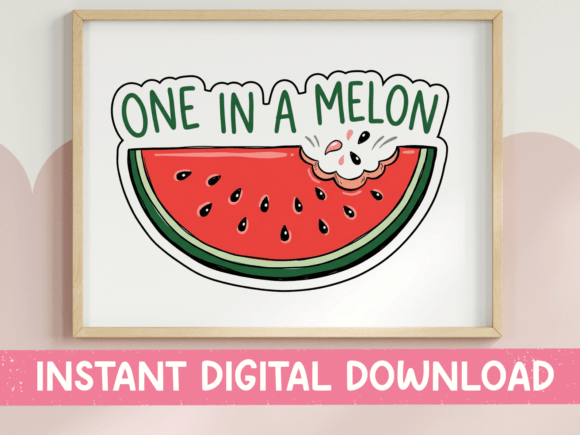
When you first open this One in a Melon Watermelon SVG, you get that immediate, cheerful punch of summer. It’s a sticker-style design, which means it has that clean, bold outline feel—perfect for translating into a crisp, defined embroidery project. The bright red wedge, the stark black seeds, and that thick green rind create a graphic that’s both simple and full of personality. The phrase “One in a Melon” in bold green lettering sits right on top, making the whole piece feel like a ready-made statement. This isn’t a fussy, overly detailed illustration; it’s a confident, fun graphic that tells you exactly what it is and what mood it’s meant to convey: lighthearted, sweet, and a little bit special.
Where This Design Naturally Belongs
I picture this design immediately on a lightweight summer custom apparel like a t-shirt or a tank, but its charm doesn’t stop there. Imagine it on the corner of a canvas tote bag—a perfect market bag for a fruity summer outing. Or, consider it as a centerpiece on a baby’s sun hat or a playful baby embroidery on a romper. The “One in a Melon” message lends itself wonderfully to personalized gifts, like a kitchen towel for a friend who’s truly one in a million, or a embroidered patch on a denim jacket. For small shop product lines, this could be a staple for holiday embroidery gifts around Mother’s Day or summer birthdays, offering a feel-good message that’s universally understood.
Real-Life Embroidery Performance: Thinking It Through
Let’s walk through a real scenario. Say a client requests this design on a organic cotton sweatshirt embroidery for a boutique. The sticker-style outline means the edges will likely be defined by a satin stitch or a clean running stitch border, which can look fantastic on thicker fabrics like sweatshirt material. The large areas of red and green are prime for fill stitch, which needs to be considered for stitch density. On a darker fabric background, you’d need to ensure your thread colors—especially that bright red and green—have enough contrast to pop. The black seeds are small details; in machine embroidery, they’ll require a precise, often slower, run to keep them distinct and not get lost in the fill. This is a design where using the right stabilizer is non-negotiable, especially on stretchy fabric like t-shirts, to prevent puckering around that thick rind.
Careful Application: When to Take a Breath
This design’s boldness is its strength, but there are spots to approach with care. The lettering “One in a Melon” is integrated into the graphic. On very small items, like the curved surface of a cap, those letters might become too condensed and lose clarity if the overall hoop size is minimized too much. Similarly, on textured fabrics like some linens or waffle-knit, the fine details of the seeds might not read as clearly. I would avoid using it on very thin fabric without excellent stabilizer, as the density of the watermelon fill could overwhelm the material. For products destined for frequent washing, like baby clothes or kitchen towels, a robust stitch construction with secure trims becomes important to maintain the design’s integrity over time.
The Impact on Your Project and Your Customer
From a craft business perspective, a well-executed embroidery of this design speaks volumes. The clean, happy graphic enhances visual appeal and stitching clarity, which directly boosts the perceived product value. For an Etsy seller, a crisp embroidered tote bag with this design looks professional and gift-ready in listing photos and printable mockups. It tells a customer instantly what the item is about, aiding buyer engagement. The “One in a Melon” phrase adds a layer of giftability and personal meaning, making it more than just a fruit graphic—it’s a compliment. This consistency in delivering a clean, recognizable finish builds customer trust and reinforces your brand’s quality for handmade products.
Practical Designer Notes Before You Hoop
Before committing this One in a Melon Watermelon SVG to a client’s item or your own small business merchandise, a few practical steps are wise.
- Always test the design on scrap fabric first. Use a fabric similar to your final project to see how the fills and details behave.
- Check thread color contrast against your final background fabric. Does that green lettering sing on a navy sweatshirt, or might it need a slight hue adjustment?
- Review stitch density in your machine’s preview. Are the red fills so dense they might stiffen a lightweight t-shirt?
- Inspect small details like the seeds. Will they stitch out as clear dots, or blur into the fill?
- Test it in black and white mockups for your digital product previews if you’re selling the finished items online—this helps visualize it on various backgrounds.
- Use proper stabilizer tailored to your fabric type. This is key for maintaining the design’s sharp, sticker-style edges.
- Crucially, check whether the design works for both personal and commercial projects. Confirm the licensing before selling any finished product or incorporating it into your commercial embroidery offerings. The product description provided doesn’t specify license details, so verifying this is an essential step.
A Slice of Summer, Ready to Stitch
In summary, the One in a Melon Watermelon SVG is a design that brings a smile and a clear message. Its sticker-style aesthetic translates well into the world of machine embroidery design, offering a project that feels modern, cheerful, and straightforward to execute with proper preparation. It’s a versatile digital embroidery file that can elevate a simple custom apparel item into a standout personalized gift or a charming addition to your craft business lineup. By paying attention to the fabric, the scale, and the stitch execution, you can turn this juicy slice of summer into an embroidered piece that’s truly one in a melon.