A Celebration Emblem: The Balloon Trio Embroidery Design
When a digital embroidery file lands in my library, I immediately begin to envision its journey from a screen to a stitch. The Lets Celebrate Balloon Trio Sticker prompts a very specific, very pleasant vision: a finished, tactile piece of celebration. This isn’t just a graphic; it’s a mood in thread form. As a designer who regularly turns digital assets into physical products, my review is grounded in how this design will perform in real project use, from client commissions to my own craft business merchandise.
The Immediate Mood: Universal Joy
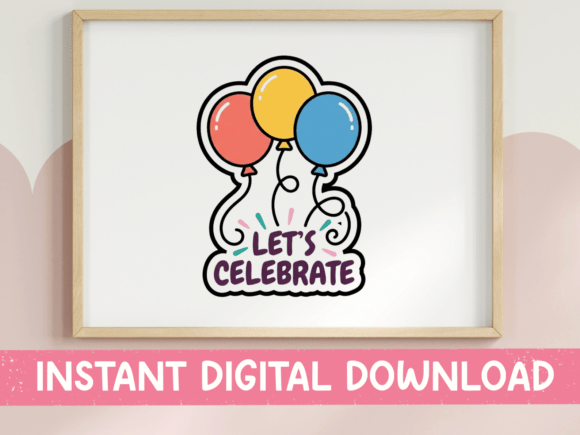
The first impression is pure, optimistic festivity. The three primary-colored balloons—red, yellow, and blue—are instantly recognizable and universally cheerful. They float upward, a classic symbol of rising excitement. The white string curls add a playful, hand-drawn charm, while the scattered confetti below grounds the design, giving it a sense of movement and completion. The overall layout is balanced and friendly, creating a visual personality that is bright without being loud. It feels inherently giftable. I picture this design applied to a custom embroidered tote bag meant as a birthday present, or stitched onto a pillow cover for a nursery. It belongs to projects where the message is simple: this is a happy moment.
Real-World Stitching: Where It Shines
In practical embroidery situations, this design’s clarity is its greatest asset. The rounded balloon shapes are excellent for clean satin stitch or fill stitch borders. The confetti details, being scattered, are likely composed of smaller running stitches or delicate fills—they’ll add texture without overwhelming the main elements. This makes the Lets Celebrate Balloon Trio Sticker highly versatile across product types.
For custom apparel, like a child’s sweatshirt or a festive adult t-shirt, it acts as a central, joyful motif. On a tote bag or apron, it becomes a standout decorative feature, elevating a simple utility item into a handmade product with personality. As an embroidered patch, it could be applied to caps or jackets, offering a reusable celebration emblem. For small business owners and Etsy sellers, this design is a reliable asset for creating holiday gifts, wedding guest favors, or boutique-branded kitchen towels. Its cheerful nature boosts product value and buyer engagement because it communicates emotion directly.
A Specific Scenario: The Birthday Tote
Imagine a client requests a personalized gift for a friend’s milestone birthday. You choose a sturdy canvas tote bag. Using this embroidery file, you stitch the balloon trio prominently on the front. The primary thread colors pop against the natural fabric. The confetti adds a subtle, celebratory texture. The finished product isn’t just a bag; it’s a commemorative item. The design’s professionalism and clean execution foster customer trust—they see a cohesive, well-made handmade presentation. This is the real power of a good embroidery design: it translates a concept into a trusted physical object.
Considerations for a Perfect Stitch
While the design is broadly adaptable, a practical designer must think about its application points. The success of any embroidery project hinges on thoughtful execution.
The confetti details and the thin string curls are the areas to watch. On very small hoop sizes or highly textured fabrics, these fine elements might lose clarity. On stretchy fabric or thin fabric, proper stabilizer is paramount to prevent puckering and to maintain the round balloon shapes. For dark fabric backgrounds, the white strings and confetti will offer beautiful contrast, but you must ensure your thread colors—particularly the yellow and blue—are chosen for optimal visibility against darker hues.
On curved surfaces like caps, the overall circular composition should adapt well, but testing placement is key. For products destined for frequent washing, like baby clothes or tea towels, reviewing stitch density is crucial. A too-dense fill on the balloons could make the fabric stiff; a well-digitized file will balance this. Always test the design on scrap fabric first. This simple step reveals everything: thread color contrast, the behavior of small details, and the true effect of the stabilizer.
Designer Notes for Professional Use
Before committing this design to a client project or a batch of craft fair products, here is my internal checklist. These notes are the bridge between a digital file and a sellable finished product.
- Always verify the specific licensing terms for the embroidery file. Confirm it is suitable for both personal and commercial projects if you plan to sell the embroidered items.
- Check the actual stitch counts and recommended hoop size for your specific machine embroidery design. The product description provides a visual concept, but the technical specs will dictate its feasibility on your chosen item.
- Run a mental mockup. How would this look on a black sweatshirt versus a white baby blanket? Sometimes, I even create simple black and white printouts to assess the composition stripped of color.
- Consider the product’s entire lifecycle. A balloon trio embroidered on a nursery blanket isn’t just decor; it’s part of a child’s environment. The thread should be durable, the stitching secure.
- For digital product sellers using this as a graphics asset in printable mockups, its clean, iconic style makes it an excellent visual for previewing potential embroidery projects.
The Bottom Line for Makers
The Lets Celebrate Balloon Trio Sticker is a confident choice for any project centered around celebration. Its value lies in its straightforward, joyful symbolism and clear compositional layout, which translates reliably into stitching. It supports brand consistency for a craft business specializing in cheerful gifts, and it enhances the giftability of any item it adorns. For embroidery designers and creative entrepreneurs, it’s a design that reduces guesswork. You know the mood it will create, and with proper technical preparation, you can trust the finished product will deliver that mood in every stitch. That’s the kind of design asset that becomes endlessly useful, not just in a library, but in the real world of handmade products and happy customers.